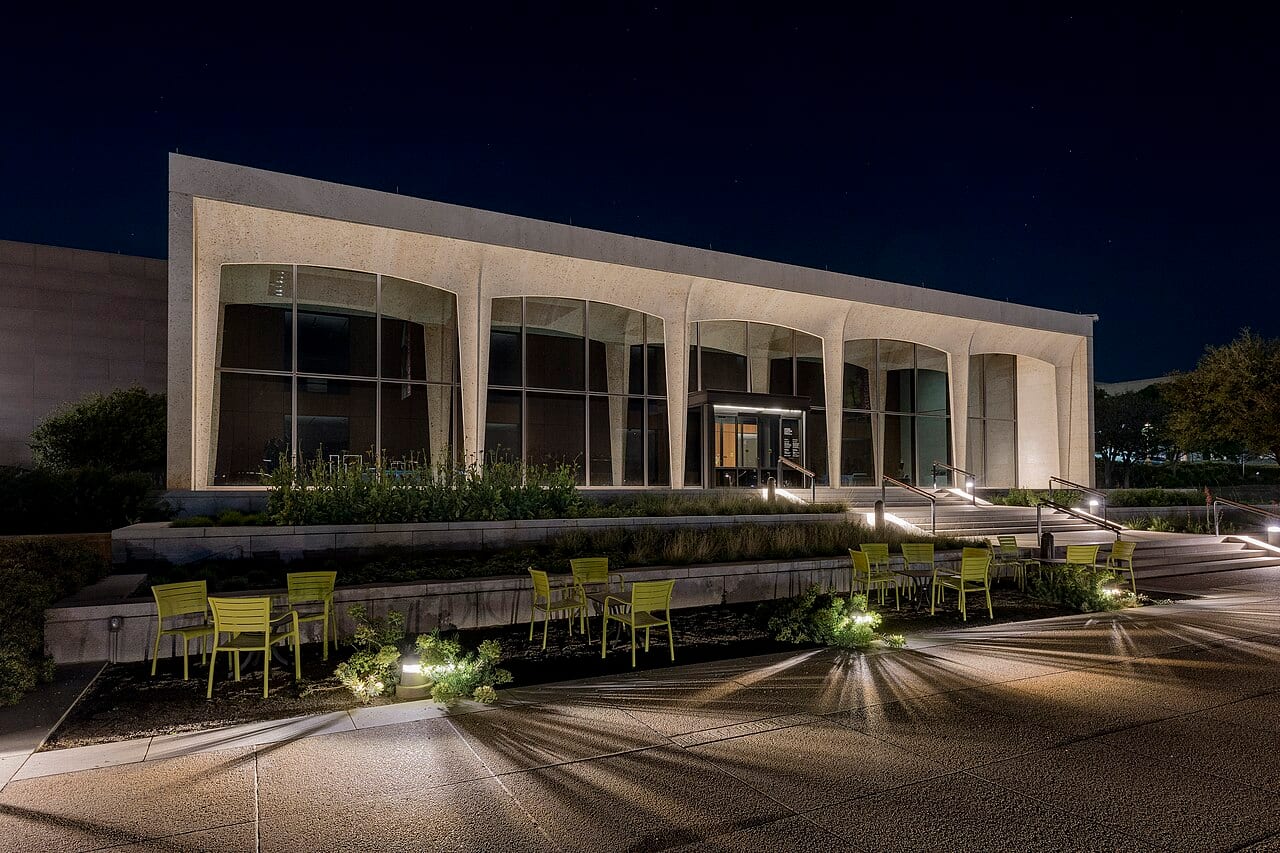
A single flyer or a text message thread can quickly transform a quiet Tuesday into a logistical puzzle. One moment you are considering a casual stroll through a local market, and the next, you are staring at a digital invitation for a multi-act performance involving seated dining and specific dress requirements. The excitement of a new local event is often tempered by the sudden realization that the original, simple plan has expanded into something much more complex. Managing this transition requires a careful look at the fine print and a conversation with your companions.
Decoding the Invitation
The first step in managing an ambitious outing is to look closely at what the event description actually promises. Descriptions often use evocative language that can obscure the practical reality of the evening. A "lively gathering" might imply a standing-room-only atmosphere, while an "intimate evening" could mean a strictly seated, quiet environment. Determining whether the event is structured around a central performance or a loose social flow changes how you prepare. This distinction determines whether your group needs to arrive punctually to secure a specific spot or if arriving slightly later will disrupt the experience. Observe the language used for seating and timing to gauge the level of formality required for the occasion.
Balancing Group Expectations
When a plan shifts from a low-key meetup to a formal event, a meaningful tradeoff emerges between the desire for a high-energy experience and the need for comfort. A high-production event offers spectacle, but it often comes with rigid schedules and less flexibility for conversation. A more casual gathering allows for spontaneous movement but may lack the polished atmosphere some members of your group might be seeking. For example, if you are looking at a listing for a local jazz showcase, check if the description mentions a set schedule or if the music is continuous background ambiance. This choice determines if the evening is about the music or the company.
Imagine a scenario where a group of four friends decides to attend a seasonal festival. Originally, the plan was to grab coffee and walk around. However, the group discovers a ticketed evening event with a fixed menu and limited seating. The tradeoff here is between the freedom of the original plan and the curated experience of the ticketed event. One offers ease of movement; the other offers a structured, singular focus. You must decide if the group is willing to trade spontaneity for a more organized itinerary.
Clarifying the Logistics
Before committing the group to a more ambitious itinerary, address the practicalities that the invitation might leave unsaid. If the event involves a specific venue, ask the organizers about the accessibility of the space and whether there are designated areas for those who may need to step away from the noise. Knowing how the space handles arrivals and departures can prevent mid-event friction. Ask the venue staff how they manage guest entry and whether there are specific protocols for those arriving after the start time.
To ensure everyone is on the same page, ask your companions what they hope to gain from the outing. Are they looking for a new sensory experience, or is the primary goal simply to spend time together? Once you have identified the group's core preference, compare it against the event's actual structure. If the group wants conversation but the event is a loud, seated performance, you may need to adjust the plan. Finalize the evening by confirming the specific time, the expected level of formality, and whether the group's collective goal aligns with what the event provides. By aligning expectations with the reality of the invitation, you turn an overwhelming plan into a successful social engagement.