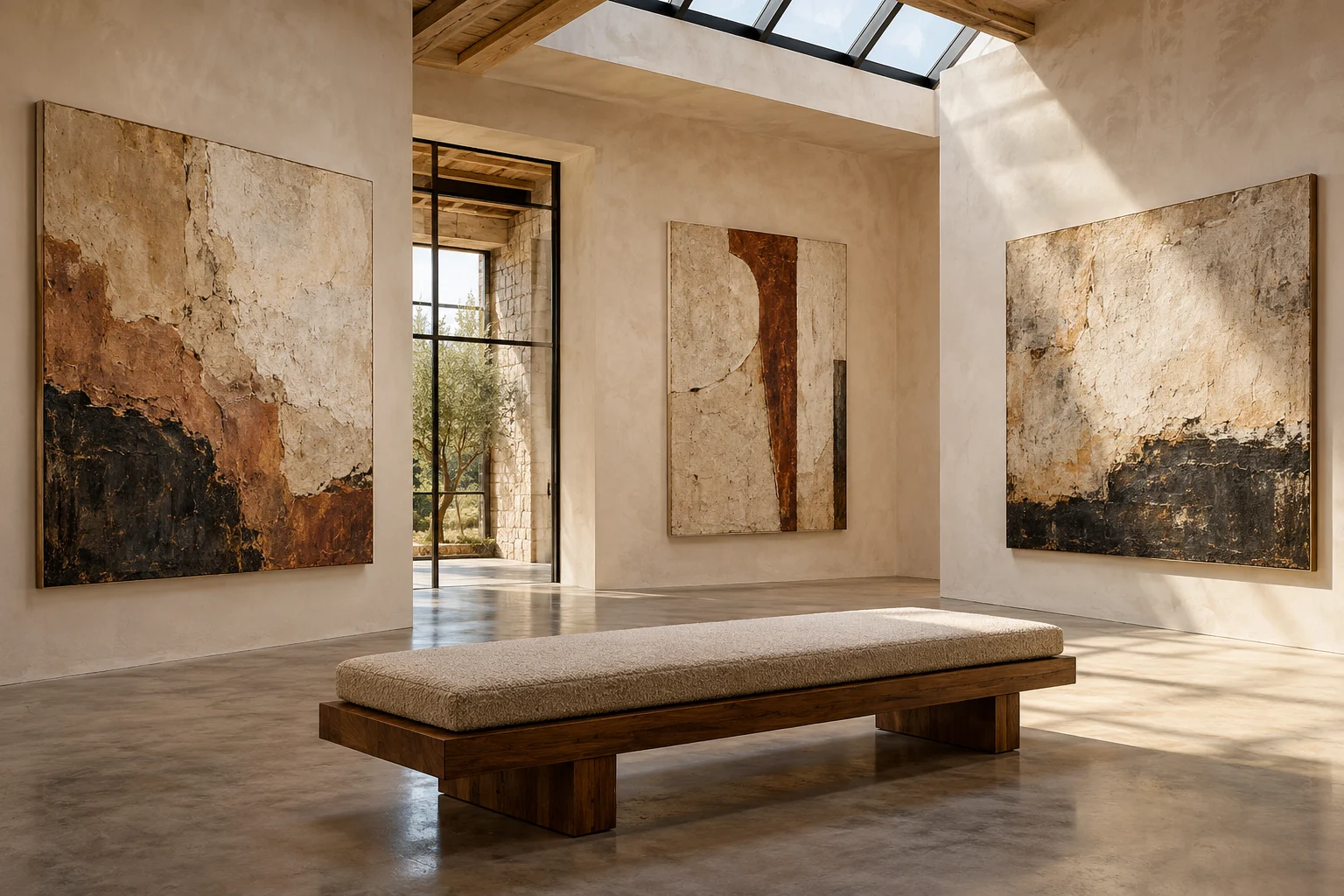
The pull of a new piece of art often arrives in a single, sudden moment. You walk into a local gallery or a neighborhood studio, and a specific color or texture catches your eye, creating an immediate sense of connection. However, the transition from a momentary attraction to a permanent fixture in your home involves a different kind of scrutiny. To make a choice that lasts, you must look past the surface and consider how the object interacts with both your environment and your personal history.
Evaluating the Initial Spark
When you first encounter a work, it is helpful to record exactly what triggered that interest. Is it the way the light hits a particular glaze, or perhaps the specific mood conveyed by the brushwork? Identifying these elements helps you understand if you are drawn to the object itself or simply the atmosphere of the space where it is displayed. This distinction becomes vital when you move from the excitement of discovery to the reality of ownership. A piece that feels right under gallery spotlights might feel entirely different under the soft, warm lighting of a residential dining room.
The Tradeoff of the Familiar and the New
Collectors often find themselves weighing two distinct paths: the comfort of the known and the challenge of the unfamiliar. For example, if you have spent years collecting landscape photography that complements your existing decor, you might feel a pull toward a piece that breaks that pattern entirely.
Imagine you are choosing between a framed print that matches the tonal palette of your living room and a large, textured sculptural piece that introduces a completely different medium and scale. The print offers immediate cohesion, while the sculpture offers a point of conversation and a shift in visual energy. Choosing between them requires deciding whether you want your environment to provide a sense of continuity or a sense of evolution. This tradeoff is a balance between maintaining a curated aesthetic and allowing for the growth of your personal collection.
Inquiry and Intent
Once you have moved past the first impression, the conversation with the seller becomes the next priority. Rather than accepting a piece at face value, ask about the stated history of the object. What can the seller tell you about the process used to create it? Are there specific details regarding its provenance or the circumstances of its creation? Understanding the narrative provided by the creator or the gallery helps ground the visual experience in something more substantial.
Beyond the history, consider the physical reality of the piece within your own surroundings. Ask how the dimensions and weight might affect your intended mounting or placement. If you are unsure about the requirements for a specific wall or surface, you might ask a professional installer about the necessary hardware or structural considerations for the piece you have selected. This ensures the physical integration is as successful as the visual one.
Visualizing the Final Placement
The final stage of the decision involves a mental or physical mapping of the object in your home. A piece that looks commanding in a high-ceilinged gallery may feel diminished in a smaller hallway. Consider how the colors interact with the natural light in your specific rooms at different times of the day. By balancing your initial emotional reaction with these practical observations and targeted questions, you can ensure that your acquisition remains a meaningful part of your home long after the first moment of discovery. Take the time to walk through your rooms with the dimensions in mind, ensuring the scale of the work respects the proportions of your living space.