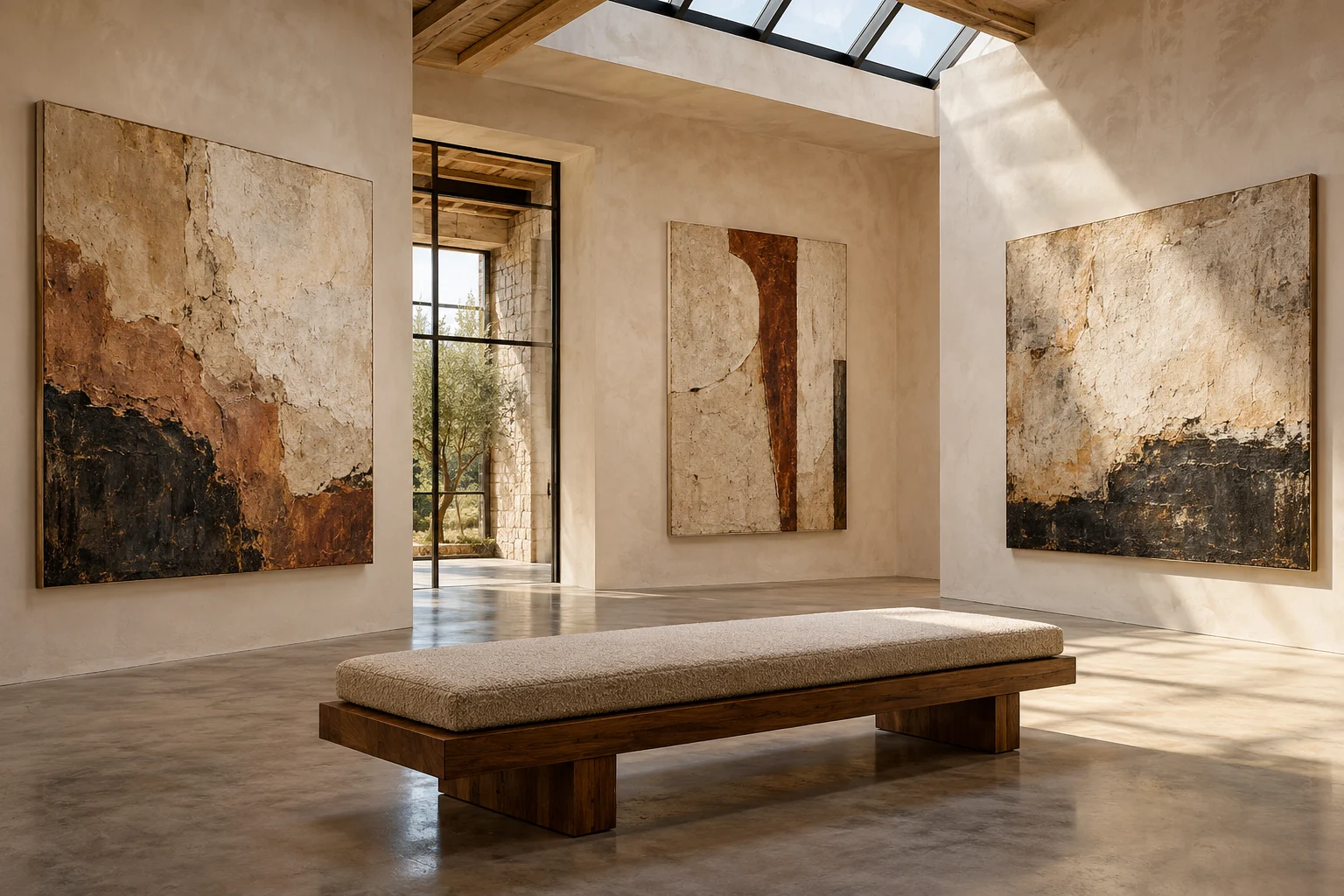
A guest enters a living room and their eyes immediately drift to the walls. They might linger on a landscape, a candid shot of a laughing relative, or a stark, black-and-white architectural study. These images are more than mere decoration; they are windows into the life lived within those four walls. For a Dallas household preparing for an upcoming visit, the decision of which photographs to display can feel like a subtle exercise in curation.
The Narrative of the Wall
Choosing between different types of photography involves a tradeoff between personal sentiment and the atmosphere you wish to cultivate. A collection of family portraits offers a warm, intimate feeling, signaling to a guest that they are entering a space defined by connection. Conversely, a series of abstract or travel-based photographs might lean toward a more neutral, sophisticated aesthetic that prioritizes composition over biography.
Consider the context of the photograph itself. A shot captured during a spontaneous weekend trip has a different energy than a carefully staged portrait. One invites a conversation about a specific moment in time, while the other serves as a permanent anchor of identity. The choice is not about which image is "better," but rather which story you want to tell in that specific space.
Navigating Context and Permission
When selecting images that feature other people, the layers of consideration deepen. A photograph is a shared moment, even if you were the one who pressed the shutter. For example, if you are deciding whether to hang a large, striking print of a friend at a local festival, you might weigh the visual impact against the subject's comfort. Does the image represent them in a way they would appreciate being seen by others?
If you are displaying a photograph that was not taken by you, such as a piece purchased from a local artist or a gift from a photographer, the intended use of that image becomes a point of reflection. Ask the artist or the person who provided the work about the circumstances of its creation and any preferences they have regarding how it is displayed. This ensures that the respect you hold for the subject or the creator is reflected in your home.
Preparing the Display
Once the selection is made, the physical presentation completes the thought. The frame, the glass, and the mounting all influence how a viewer perceives the subject. A heavy, ornate frame might lend a sense of history and gravity to a simple snapshot, while a thin, modern frame can make a complex scene feel light and contemporary.
As you move through your home, clearing surfaces and setting the stage for your guests, take a moment to look at your walls through their eyes. If you find yourself unsure about a specific piece, ask yourself if the image invites a guest into your world or if it creates a barrier. The most successful displays are those that feel like a natural extension of the home's rhythm, offering a quiet invitation to observe and connect.