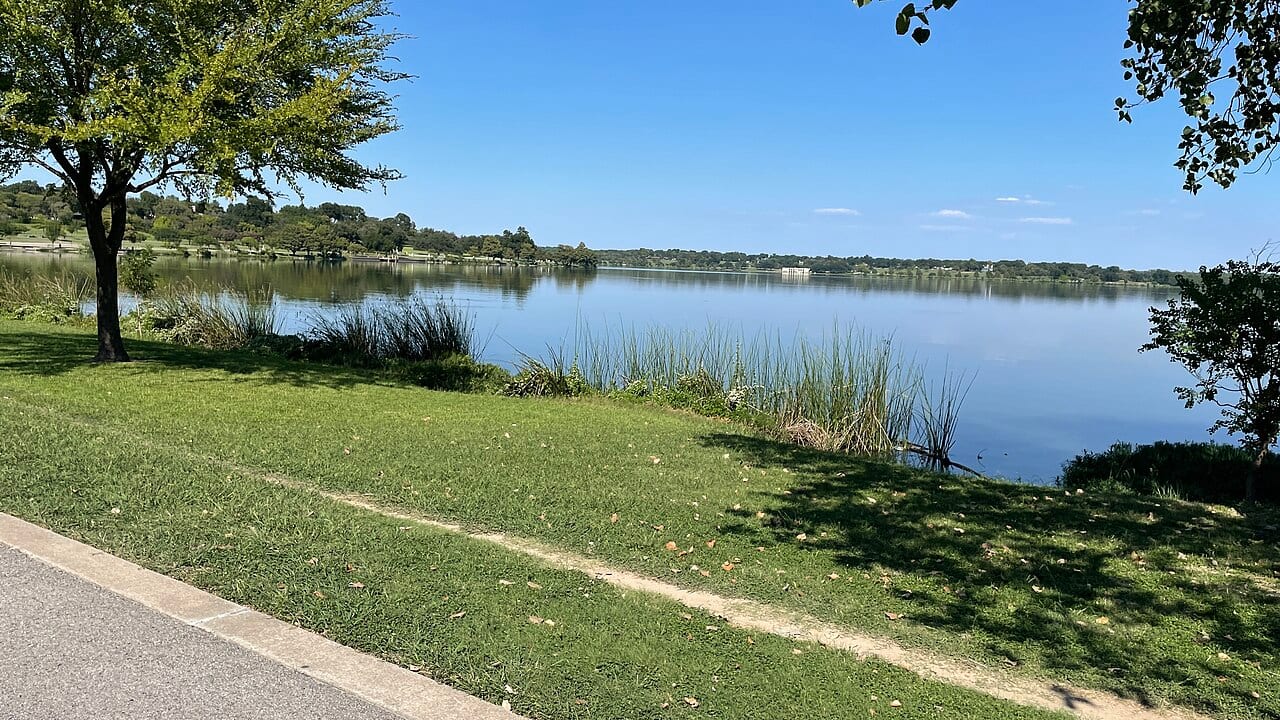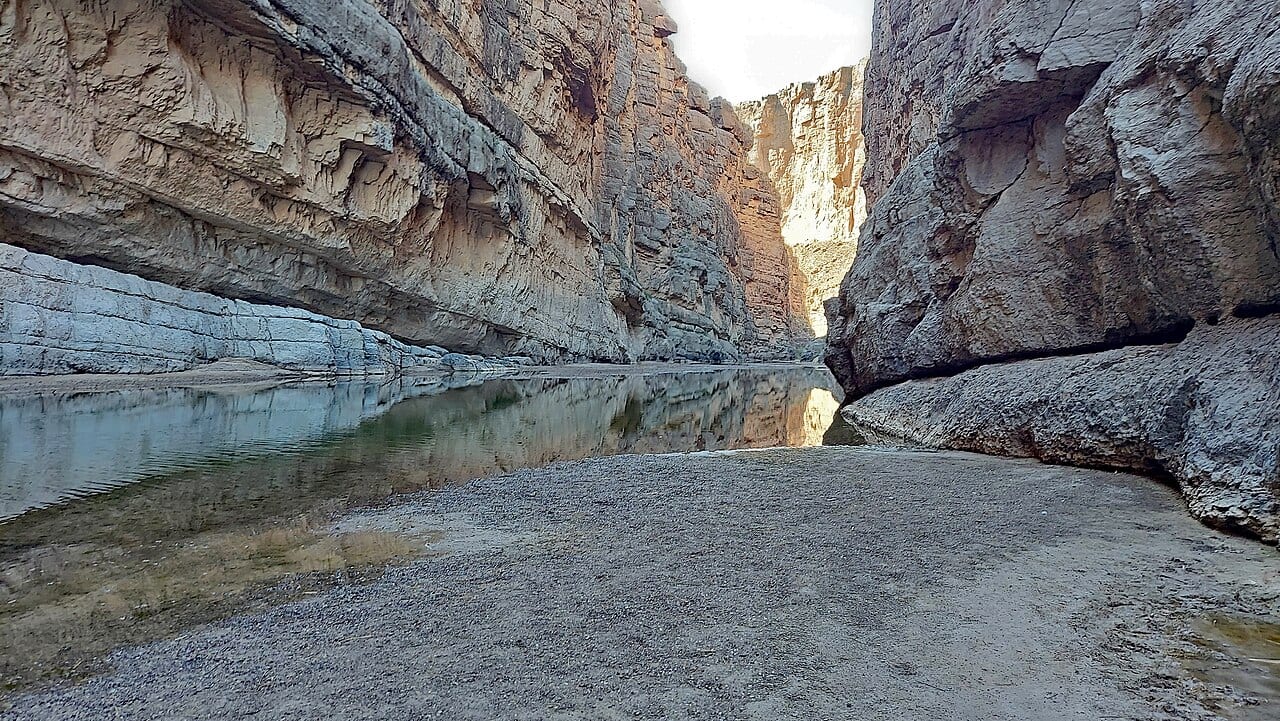
A well-chosen path can transform a simple afternoon into a shared memory, but the success of a walk often depends on the quiet details discussed before anyone laces up their shoes. Whether you are organizing a stroll through a neighborhood park or exploring a new trail, the decision involves balancing individual preferences against the realities of the environment.
Aligning Physical Expectations
When coordinating with others, the most important step is understanding the capabilities and comfort levels of the group. A route that feels invigorating to one person might feel taxing to another. Instead of assuming everyone wants the same level of exertion, consider the specific needs of your companions. Ask your group members what distance they feel comfortable covering and what kind of terrain they prefer. For example, if one person enjoys a brisk pace on paved surfaces while another prefers a slower, more observational stroll on uneven ground, the choice of location becomes a meaningful tradeoff between speed and scenery.
Verifying the Current Landscape
Even a familiar local route can change due to seasonal shifts or maintenance. Relying on outdated information can lead to unexpected detours that disrupt the flow of the outing. Before setting out, verify the current status of your intended path. You might ask local community groups or park authorities if there are any temporary closures or changes to the trail conditions. This step ensures that the route you discussed remotely matches the reality you encounter when you arrive.
Navigating the Unpredictable
Outdoor plans are subject to the whims of the day. For instance, if you have planned a long trek through an open area, a sudden shift in weather or an unexpected rise in temperature can change the viability of the plan. Rather than pushing through discomfort, establish a way to communicate when it is time to pivot. Discuss with your group ahead of time what signals or conditions would prompt a change in direction or a decision to head back early. Agreeing on these thresholds beforehand removes the social friction of deciding when to cut an activity short.
Preparing for the Departure
Once the route is selected and the group is aligned, the final phase is confirming the logistics. Ask your companions if they have specific requirements for shade, water access, or proximity to amenities. By addressing these preferences and establishing a clear plan for adjustments, you move from simply choosing a destination to designing a shared experience. The best walks are not defined by the distance covered, but by how well the chosen path accommodates the people walking it.