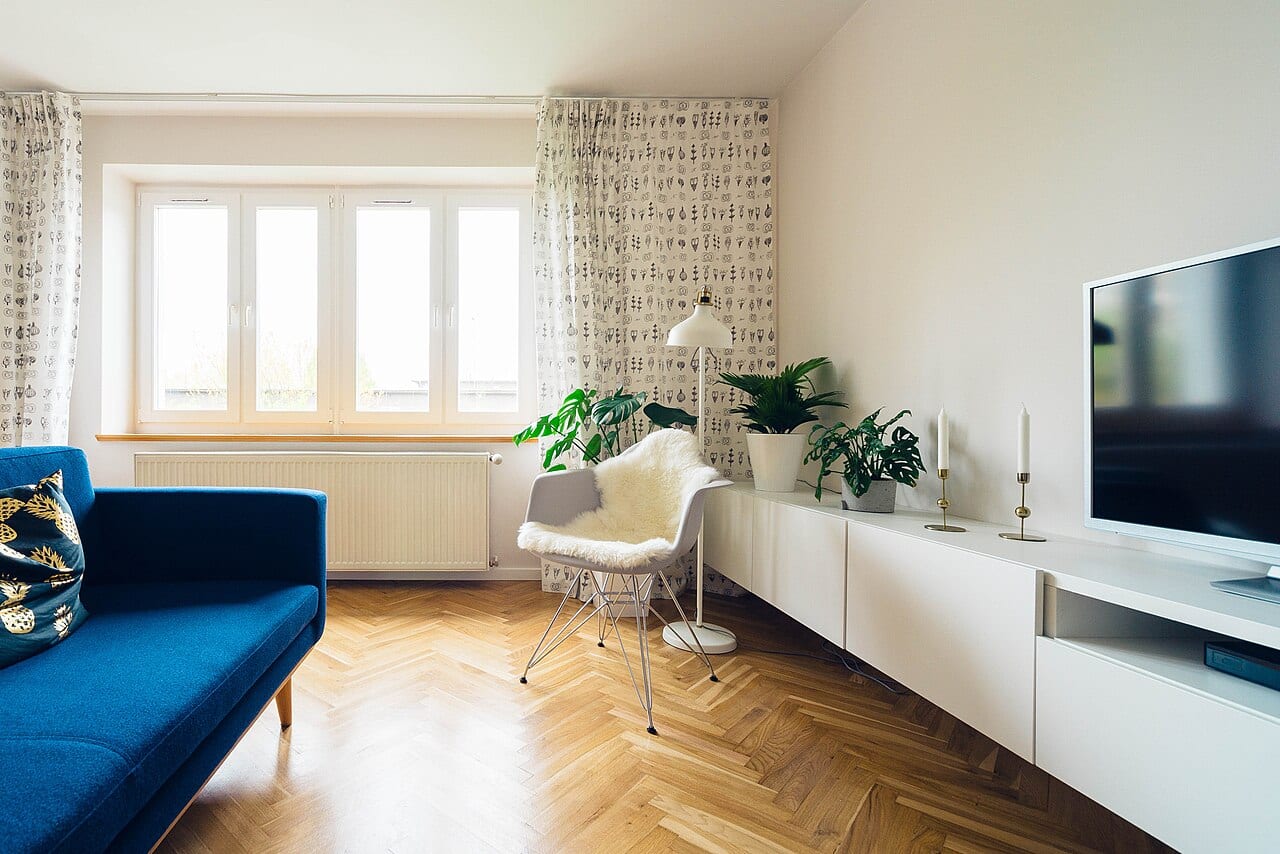
A glossy photograph of a plush duvet or a wide-angle shot of a sunlit corner can make any hotel room look inviting. However, when you are standing before a booking screen, comparing a reliable Dallas staple you have visited a dozen times against a boutique newcomer, the names of the rooms—Deluxe, Executive, Premier—often tell you very little about the physical reality of your stay.
The Gap Between Labels and Living Space
The challenge lies in the ambiguity of hospitality language. A "Deluxe King" at one establishment might offer a sprawling layout with a dedicated seating area, while at another, it might simply mean a slightly higher thread count on the linens within the same square footage as a standard room. When you move away from the comfort of a known environment, you lose the ability to rely on memory to fill in the blanks.
For example, if you are planning a weekend away and find yourself torn between your usual hotel near downtown and a newly opened property in a different neighborhood, the tradeoff is between certainty and novelty. The familiar option guarantees a specific layout you already understand, whereas the new option offers a fresh aesthetic but carries unknown variables regarding how the space actually functions for your needs.
Asking the Right Questions
To bridge this gap, move beyond the adjectives in the description and seek specific details. If a room is described as having "plenty of natural light," ask the property how the window orientation affects the room during the afternoon. If a room is listed as "work-friendly," ask what the specific desk setup includes and whether the power outlets are positioned for easy access from a seated position.
Consider the quietude of your environment as well. A room might be listed as being on a "high floor," but you may want to ask how the sound insulation performs relative to the street or the elevator banks. If you require a specific type of sleeping arrangement, ask if the bed dimensions match the descriptions provided online, as terminology can vary between different management groups.
Evaluating the Tradeoffs
The decision often comes down to whether the visual appeal of a new space outweighs the functional predictability of an old one. A room that looks stunning in a digital gallery might lack the practical elements—such as adequate closet space or a functional workspace—that make a stay seamless. Conversely, a standard room in a familiar hotel might lack the character you are seeking for a special occasion.
Before finalizing your reservation, look at the granular details of the room's floor plan if available. Compare the specific amenities listed for each tier of room rather than relying on the prestige of the name. By focusing on the tangible features that support your personal routine, you can ensure that your choice reflects your actual requirements rather than just a well-curated image.