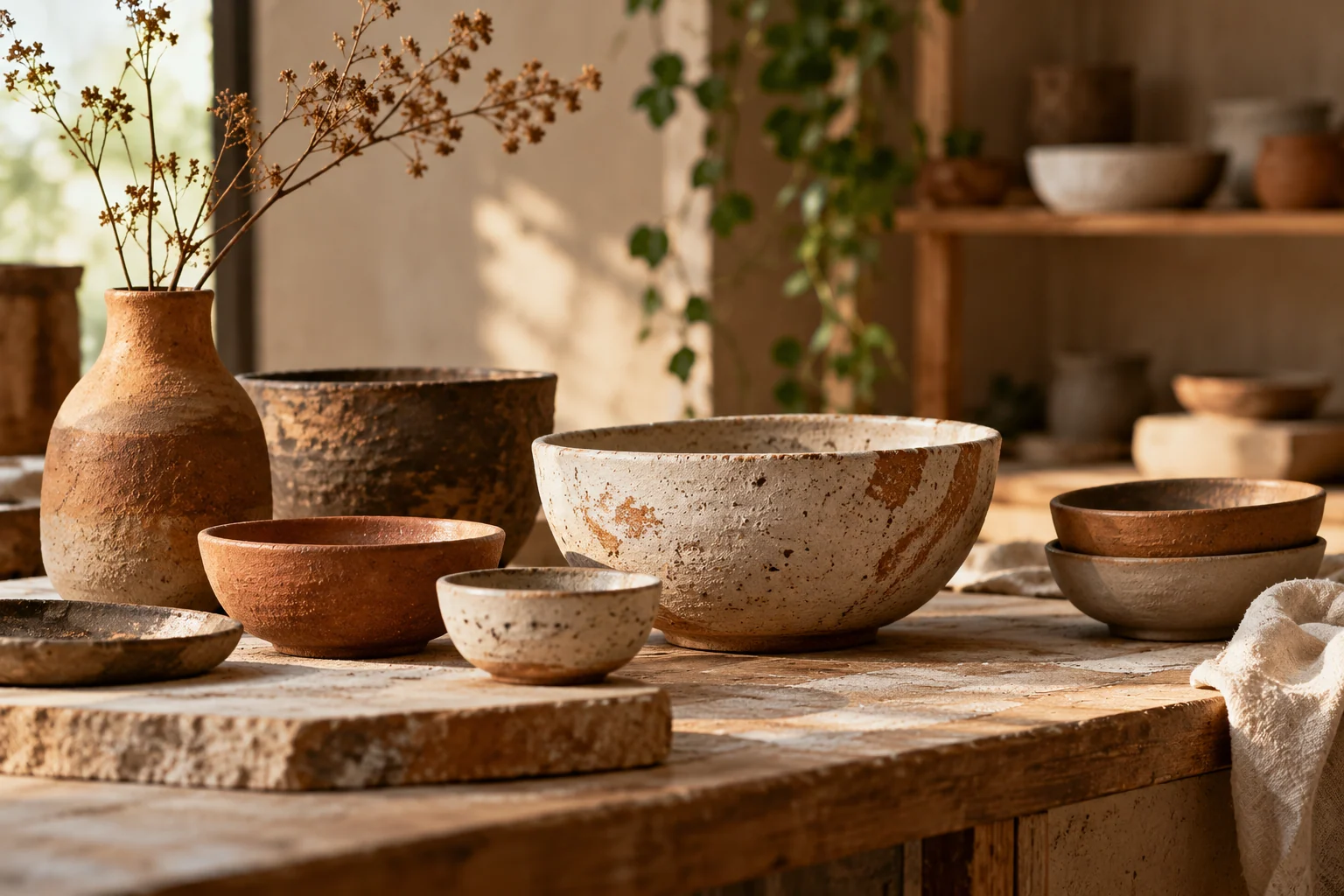
A vibrant social media post or a polished website can make any pottery class, painting session, or woodworking workshop look like the perfect weekend escape. For many in Dallas looking to try something new, the discovery process often happens entirely online, scrolling through curated images of finished projects and smiling participants. However, the distance between a screen and a studio can sometimes hide the practical realities of the craft.
Bridging the Digital Gap
Selecting a workshop remotely requires a different kind of scrutiny than walking into a storefront. Without the ability to sense the atmosphere or see the layout, you are relying entirely on the information provided in the description. This creates a tradeoff: you gain the convenience of browsing dozens of options from your phone, but you lose the immediate ability to gauge the environment. To balance this, treat your initial enquiry as a way to build a mental map of the space and the session.
For example, if you find a workshop for botanical illustration that looks beautiful online, the images might show a serene, sunlit room. But what if that room is actually a shared corner of a busy maker-space with high foot traffic? Asking about the physical environment helps you decide if the setting matches the focus required for the activity.
Understanding the Hands-On Details
The specifics of what you will actually do—and what you need to bring—are often tucked away in fine print or left unsaid. A workshop titled 'Introduction to Textiles' could range from a meditative embroidery session to a high-energy weaving intensive. To ensure the commitment matches your interest, ask the organizer for a more granular breakdown of the planned activity. You might also inquire about the specific materials that will be provided and whether any personal tools are expected.
Consider the logistics of participation as well. If you are looking for a social atmosphere, ask how many people are typically in a group. If you prefer a quiet, instructional setting, ask how the instructor manages the pace for different skill levels. Knowing whether the session is structured around a single finished piece or a series of small exercises can change your entire expectation of the day.
Access and Preparation
Once the creative details are clear, the practicalities of getting there and staying comfortable become the priority. Ask about the accessibility of the venue, particularly if you have specific mobility needs or are traveling with others. It is also helpful to ask about the physical demands of the craft; some activities may require standing for long periods or working in specific postures.
Before you commit your time and resources, gather these details to see if the workshop fits your lifestyle. Ask the organizer if there are any specific clothing requirements or if certain types of footwear are better suited for the studio floor. By gathering these answers first, you can move from a digital curiosity to a confident booking, knowing exactly what the studio experience will entail.