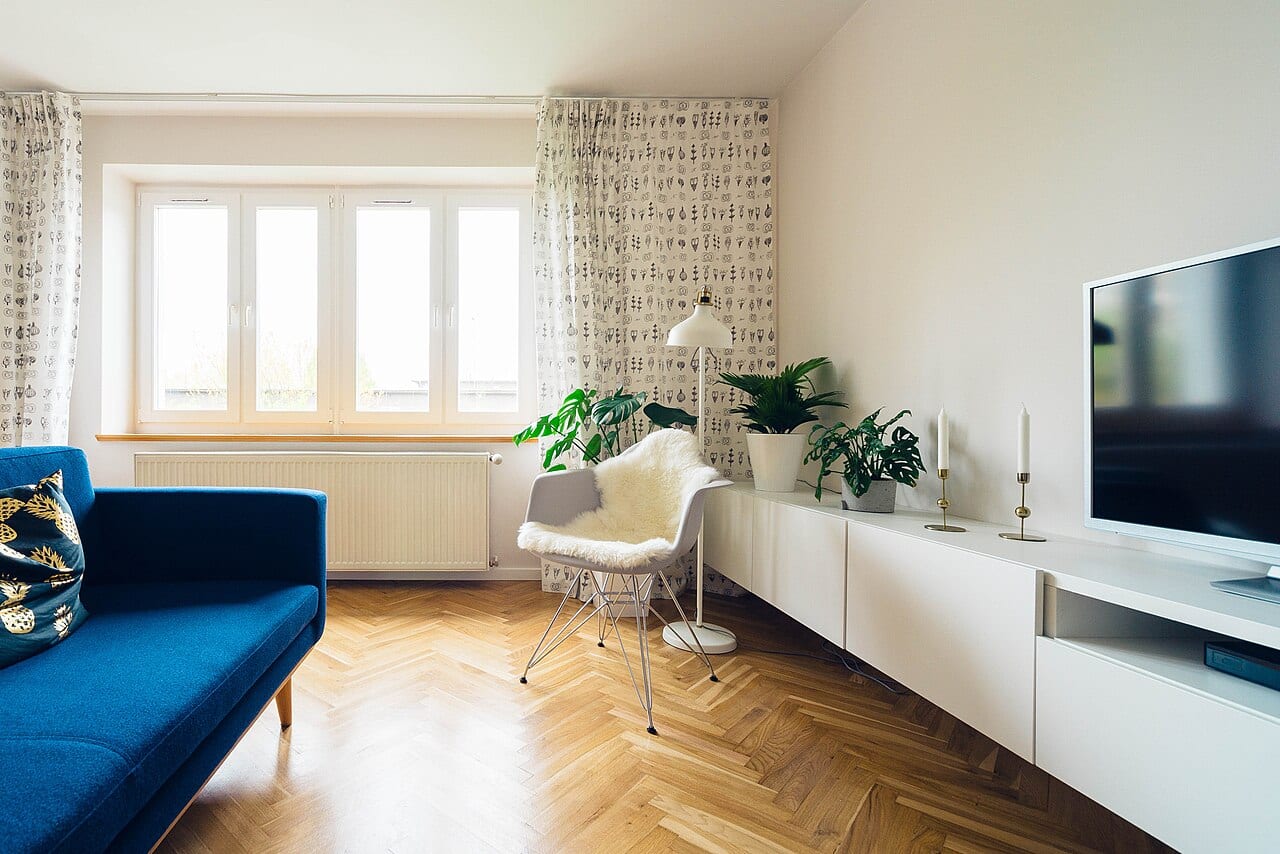
A new area rug can feel like a massive commitment once it is unrolled in the center of a room. While the colors and textures might look perfect under the showroom lights, the physical footprint of the piece dictates how you navigate your living space. Before you finalize a purchase, consider a low-stakes way to test the boundaries of your floor plan.
Mapping the Floor
Instead of relying on a mental image or a digital mockup, use masking tape or sheets of butcher paper to create a physical outline of the rug on your floor. This allows you to see the actual scale of the textile in relation to your existing coffee table, sofas, and side chairs. By laying these shapes down, you move beyond abstract measurements and start interacting with the floor as it truly is.
This method reveals the subtle tradeoffs between different sizes. A larger rug might anchor all your furniture pieces, creating a unified seating area, but it could also swallow up too much of your hardwood or tile. Conversely, a smaller rug might feel more manageable, yet it could leave your furniture feeling disconnected or floating in isolation.
Testing the Flow
The most important part of this exercise is not how the rug looks, but how it feels to move around it. Once your paper outlines are taped down, walk through your typical daily routines. Observe where your feet land when you move from the sofa to the kitchen, or how much space remains between the rug edge and the walkway to the hallway.
For example, if you are deciding between a standard rectangular rug and a larger custom size, the paper outlines might reveal a hidden friction point. Imagine you have taped down a large rug that extends toward the entryway. As you simulate walking through the room, you realize the edge of the paper sits right in the middle of the most frequent path from the front door to the dining area. This tells you that a smaller rug might prevent a constant tripping hazard or a cluttered visual path, even if the larger one is more aesthetically striking.
Refining Your Choice
Use these observations to settle your personal preferences. Do you prefer the feeling of a room where every piece of furniture sits entirely on the textile, or do you like the breathing room provided by seeing more of the floor? There are no strict rules for how much furniture should touch the edge; the right choice depends entirely on how you use the space.
If you find that the paper outlines suggest a size that feels slightly awkward, ask yourself if the issue is the rug's dimensions or the current arrangement of your furniture. You might find that shifting a chair by just a few inches makes a previously "wrong" rug size feel perfectly intentional. Once you have walked the paths and tested the boundaries, you can make your purchase with the confidence that the rug fits your life, not just your floor.

