This is a paid partner contribution. Commercial relationships are disclosed so readers can distinguish sponsored content from editorial guides.
A blank page and a vague idea can make the start of a physical branding project feel heavy. Whether you are marking a new storefront or updating an office interior, the transition from a mental concept to a physical object requires a clear handoff of information. Moving from a broad desire for "something visible" to a specific set of requirements is the first step in ensuring the final product matches your intent.
Gathering your visual requirements
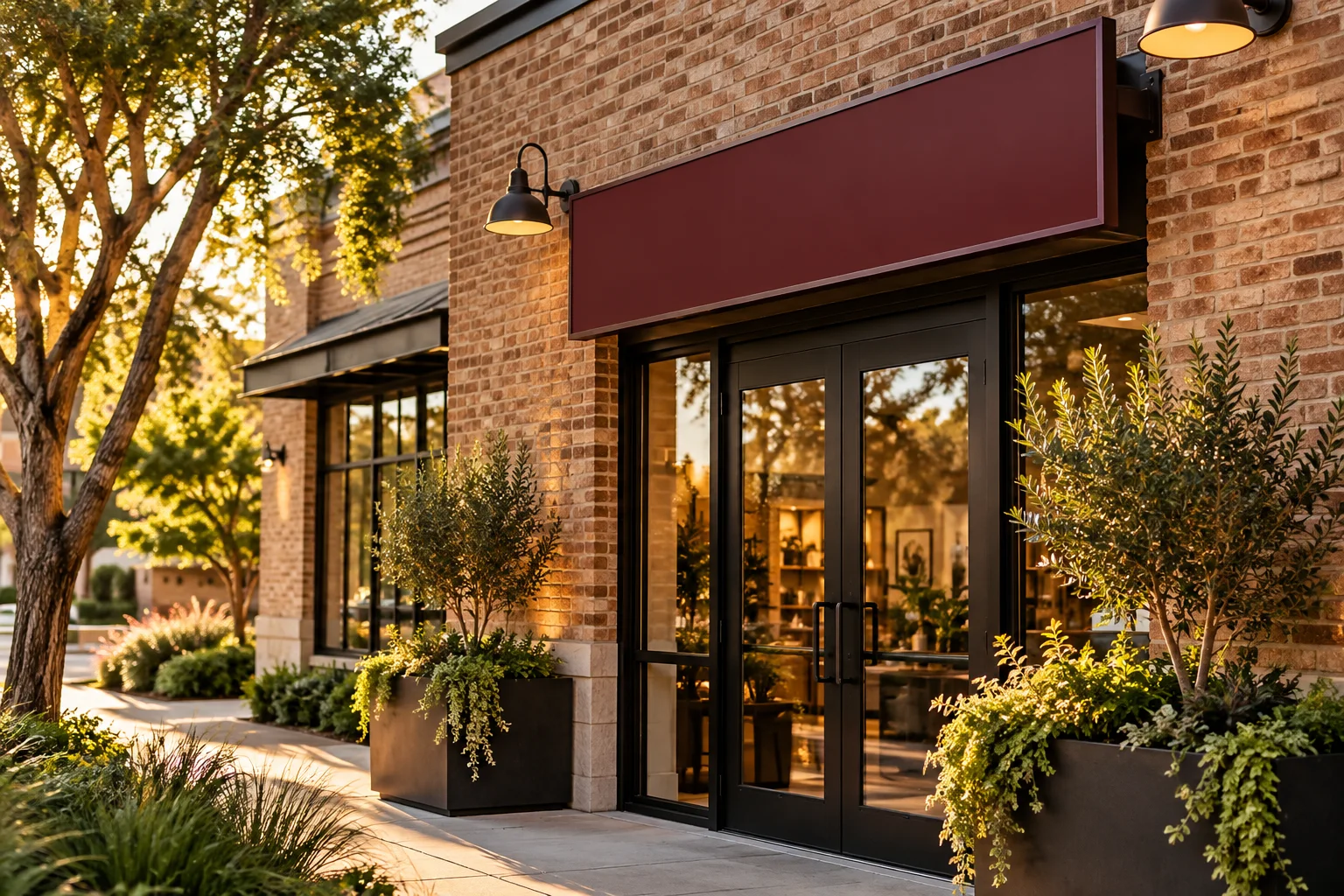
Before you begin discussions, look at the physical space where the item will live. Consider the texture of the walls, the amount of ambient light, and the distance from which people will view the object. A sign meant for a pedestrian walking past a window requires a different approach than one mounted high above a parking lot. Instead of relying on general impressions, document the specific dimensions of the intended mounting area and the materials currently surrounding it.
For example, if you are considering a backlit element for a reception desk, note whether the surface is wood, stone, or drywall. This information helps a sign company dallas understand the physical constraints of your environment. Having these measurements and material notes ready prevents the need for multiple site visits and helps clarify what is physically possible in your specific location.
Defining the functional tradeoff
Every design choice involves a choice between different qualities. You may find yourself choosing between high-impact visibility and subtle integration. A large, brightly colored installation will command attention immediately, but it may overwhelm a delicate interior design. Conversely, a small, etched metal sign might blend beautifully with your decor but could be missed by a customer walking through a busy doorway.
Decide which quality serves your current goal. Are you trying to direct foot traffic, or are you trying to reinforce a brand identity once a customer is already inside? Write down these priorities. When you can distinguish between a need for "attention" and a need for "atmosphere," you provide a much clearer roadmap for the creative process.
Preparing for the estimate
The most effective way to receive an accurate quote is to provide a structured set of data. Rather than asking for a general price, present your collected notes: the dimensions, the intended location, the material preferences, and the functional goals you have identified. This level of detail allows for a more precise comparison between different options.
When you are ready to move forward, you can request a sign estimate near 75227 by submitting these specific details. Ask the professional how their recommendation addresses the specific dimensions and lighting conditions you described. By maintaining a record of your requirements and the answers you receive, you create a clear decision log that keeps the project moving toward a finished result.


