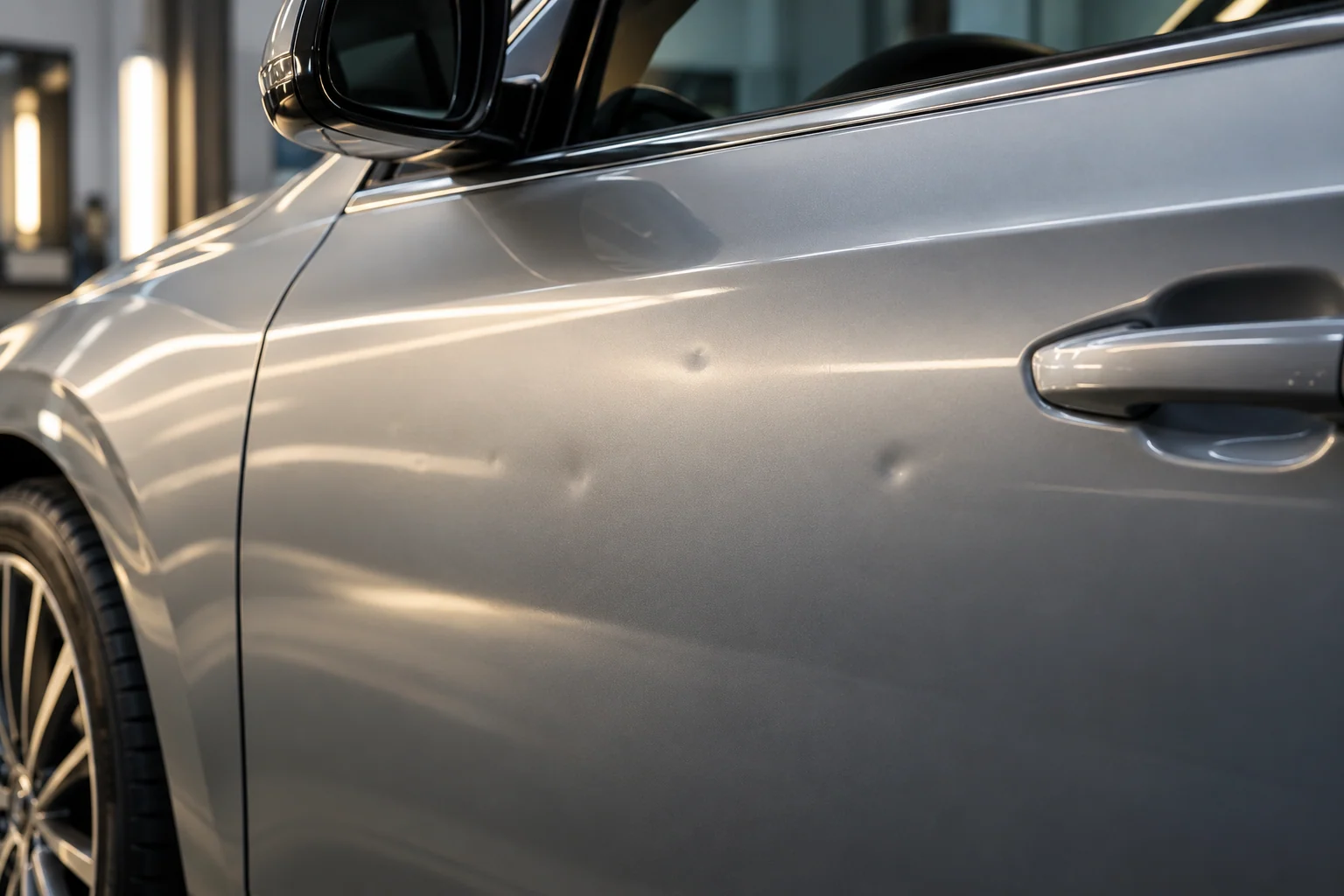
A single scratch on a passenger door or a faded patch on a bumper can change how a vehicle feels every time you walk into the driveway. Addressing these cosmetic imperfections often begins long before you arrive at a service center. For those managing busy schedules, the process frequently starts with a digital exchange—a photo sent via email or a message through a website—to gauge interest and capability.
Capturing the Details
The effectiveness of a remote inquiry rests on the quality of your observations. Instead of a vague request for "paint work," focus on the specific visual reality of the damage. A high-resolution photo taken in natural light can reveal the depth of a scuff or the exact perimeter of a chip. When describing the issue, note the texture and the color contrast against the surrounding panel. Is the surface smooth but discolored, or is there a physical indentation that catches the light? Identifying these nuances helps a shop understand the scale of the task without needing to see the car in person first.
Defining the Desired Result
There is a meaningful tradeoff between a quick fix and a comprehensive restoration. For example, if you are preparing a vehicle for a seasonal sale, you might prioritize a seamless, factory-level finish that blends perfectly with the rest of the body. Conversely, if the vehicle is a daily commuter used for heavy errands, you might be looking for something more functional that simply halts further degradation. For instance, if you have a small area of peeling clear coat, you must decide if you want the entire panel addressed to ensure color uniformity, or if you are comfortable with a localized touch-up.
Navigating the Remote Comparison
For many Dallas drivers, comparing repair options from a home office is a necessity. This remote vetting requires a structured approach to ensure nothing is lost in translation. Rather than asking for a definitive price immediately, which can lead to unexpected additions later, focus on the boundaries of the work. Ask the shop how they define the scope of the repair and what specific areas are included in their initial assessment. You might also ask how they handle discrepancies between a photo-based estimate and the actual condition of the vehicle once it is on the lift.
To ensure a smooth handoff, prepare a concise note that combines your observations with your logistical needs. Detail the exact location of the damage, the specific appearance you are aiming for, and your preferred transport arrangements. Ask the service advisor about their drop-off procedures and whether they provide updates throughout the process. By providing a clear roadmap of your expectations, you turn a simple service request into a collaborative plan for a better-looking vehicle.


