This is a paid partner contribution. Commercial relationships are disclosed so readers can distinguish sponsored content from editorial guides.
A stack of floor plans, a collection of fabric swatches, and a notebook filled with sketches often mark the beginning of a home transformation. Deciding to change your living space is a significant step, but the initial conversation with a designer can feel overwhelming if you lack a clear starting point. Rather than walking into a meeting with vague ideas, preparing a structured set of observations can help you navigate the early stages of the process.
Defining Your Living Patterns
Before discussing aesthetics, consider how you actually move through your house. A room's appearance is only one part of its utility. Think about the specific moments that feel strained in your current layout. Do you find yourself bumping into furniture in a narrow hallway? Does the kitchen feel cramped when multiple people are preparing a meal?
For example, if you find that your morning routine feels rushed because the breakfast nook is too far from the coffee station, that is a specific observation to share. Bringing these functional details to a professional allows them to address your daily life rather than just your visual preferences. You might also consider the tradeoff between maximizing open space for entertaining and maintaining quiet, enclosed areas for rest. Deciding which of these takes priority will shape the direction of your project from the very first meeting.
Organizing Your Vision and Constraints
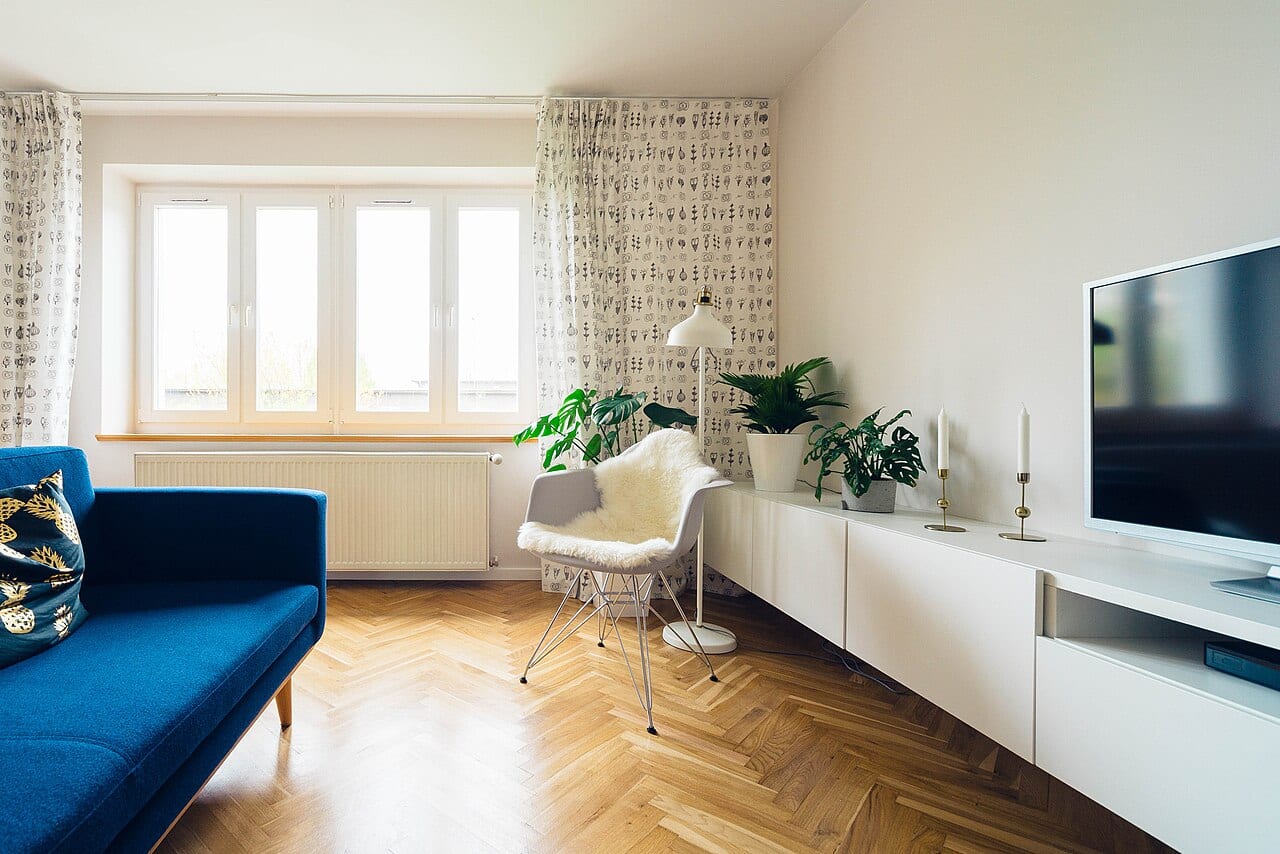
Visual inspiration is helpful, but it works best when paired with concrete information. Collect images that reflect the textures, light levels, and layouts you admire. However, pairing these images with a list of what you wish to keep or discard can prevent misunderstandings later. If you love a certain style but want to preserve a specific original fireplace, make that distinction clear immediately.
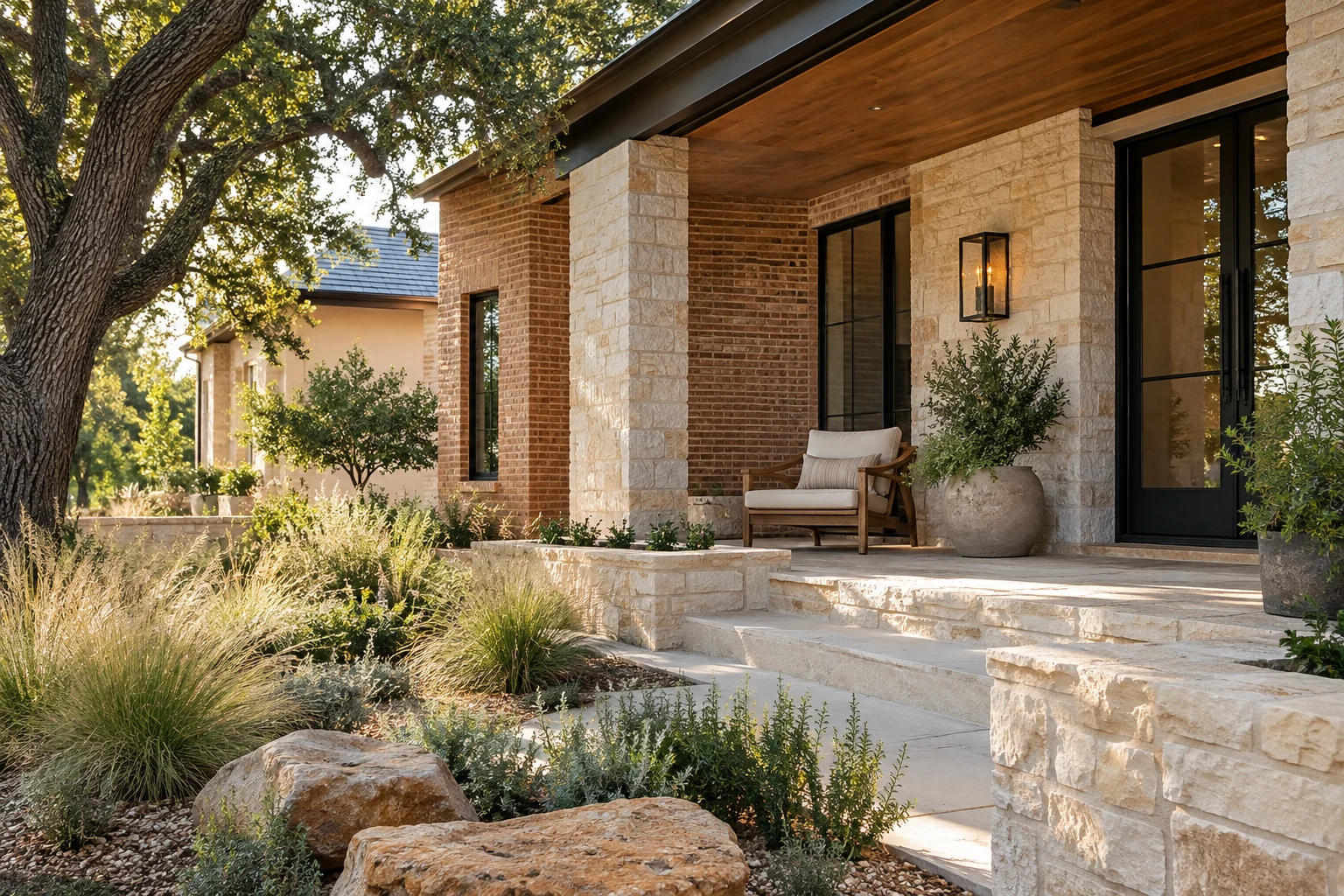
It is also helpful to gather any existing documentation regarding your property. Having access to current blueprints or previous repair records can assist in discussions regarding remodel and renovation design for older Dallas homes. When you present a clear picture of what is currently there, the conversation can move more quickly toward what could be.
Questions for the Initial Meeting
The first meeting is as much about you evaluating the professional as it is about them understanding your needs. Instead of assuming how a project will unfold, use this time to ask direct questions. You may want to ask how they approach the integration of new elements into your existing structure. Ask how they manage the transition between different phases of a project, and what kind of documentation they provide to keep you informed of progress.
You should also ask how they handle unexpected discoveries made during the work. Understanding their process for communication and decision-making ensures that your expectations align with their methods. By entering the room with a list of observations, a clear sense of your daily needs, and a set of targeted questions, you turn a daunting meeting into a productive step toward your new home.